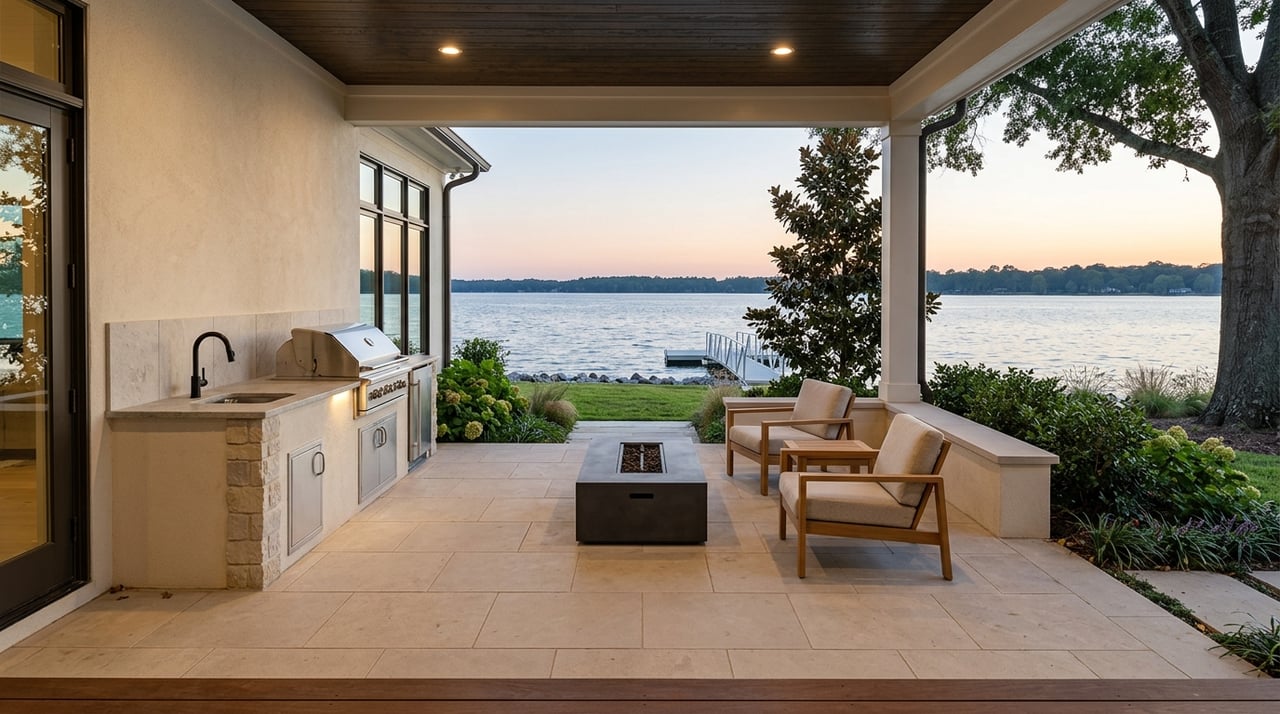
Designing Your Ideal Lake Lanier Outdoor Living Space
June 4, 2026
June 4, 2026
If you picture life on Lake Lanier, chances are you are not just thinking about the house. You are imagining coffee with a water view, dinners outside, a shady porch in July, and a fire feature that makes cool evenings feel a little longer. That is exactly why outdoor living matters so much here, and why planning it well can shape both your daily lifestyle and your long-term property value. If you are designing your ideal Lake Lanier outdoor living space, the smartest first step is understanding how this lake, this shoreline, and these rules affect what works best. Let’s dive in.
Lake Lanier is not a one-note setting. The U.S. Army Corps of Engineers describes the lake as steep, wooded, and visually varied, with about 39,000 acres of water and 692 miles of shoreline across Dawson, Forsyth, Gwinnett, Hall, and Lumpkin counties. That means two lakefront properties can feel completely different, even if they are only a short drive apart.
USACE also notes that shoreline slopes can range from about 5 percent to 30 percent. In practical terms, that slope affects how you move from the house to the water, where you place seating, and whether a single patio will work or if a layered design makes more sense.
Before you pick furniture, hardscape, or outdoor finishes, look at the land itself. A beautiful outdoor space on Lake Lanier starts with a layout that respects the lot’s topography, views, and access points.
The lower lake is more intensely developed and sees more recreational use, according to USACE. On these properties, outdoor living often works best when the layout prioritizes open views, entertaining, and strong sightlines to the water.
That can make larger patios, broad dining areas, and lounge spaces feel especially natural. If your goal is hosting friends and family, this type of lot often supports a more social, open-air design.
USACE describes the middle lake as a place of elongated channels, bays, narrow coves, and more pronounced elevation changes. These properties often benefit from outdoor spaces that feel connected but slightly tucked in.
A screened or partially screened porch, a compact outdoor kitchen, and an easy path from dock to patio can be a practical combination. This kind of layout helps you move smoothly between the water and the main living space without making the yard feel overbuilt.
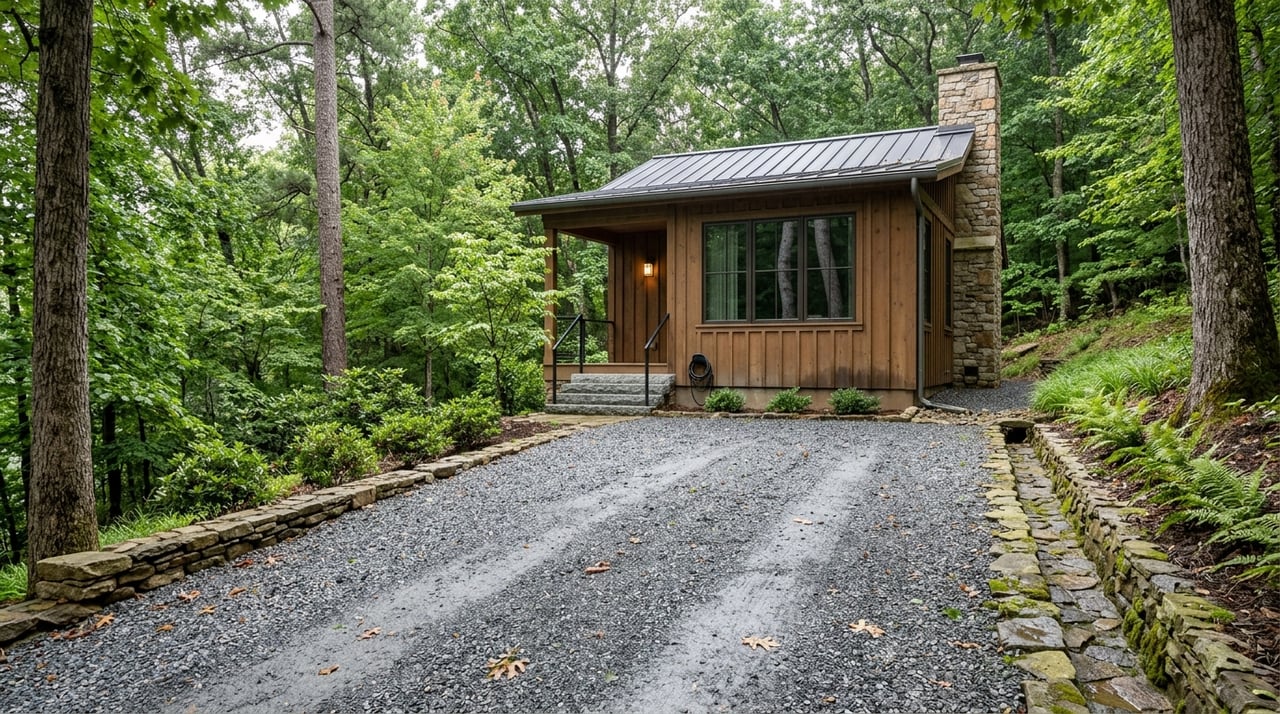
The upper lake has narrower channels, rolling mountain topography, dense vegetation, and a more secluded feel. On these lots, the landscape often becomes part of the design itself.
Natural stone, layered terraces, and preserved tree canopy can complement the setting well. If you love privacy and a strong natural backdrop, this type of property may call for a quieter, more retreat-like outdoor plan.
One of the biggest design mistakes on Lake Lanier is treating the outdoor area like a flat suburban backyard. Many lakefront lots need a more intentional circulation plan so the space feels easy to use rather than hard to navigate.
On steeper sites, terraced patios and multi-level decks often make better use of the grade. They can help create separate zones for dining, lounging, and water access while keeping the view open from multiple levels.
You also want to think about how people actually move through the property. A well-designed outdoor space should connect the kitchen, living area, porch, patio, and route to the dock in a way that feels natural and comfortable.
Lake Lanier has a warm, wet climate. In the USACE environmental assessment, average monthly highs range from about 50 degrees in January to 87 degrees in July, while annual precipitation is about 54 inches, with wetter conditions in winter and early spring.
That climate supports a simple design lesson: your outdoor space should do more than look good in one season. It should feel usable during hot summer afternoons, mild shoulder seasons, and rainy stretches too.
If you are buying with resale in mind, multi-season comfort matters. Buyers tend to respond well to outdoor spaces that feel like true living space instead of decorative add-ons.
Around Lake Lanier, outdoor living is not just a design decision. It is also a regulated site project in many cases.
USACE manages shoreline use, and private shoreline uses are only allowed in designated limited-development areas. About 46 percent of Lake Lanier’s shoreline falls into that classification, according to the Corps’ shoreline allocation materials.
The Corps also says shoreline use permits or licenses are required before work on public property. Permits are generally valid for up to five years, are nontransferable, and the Project Management Office handles dock, riprap, and small silt-removal permits.
This matters because many owners assume they can treat the shoreline like an extension of the backyard. On Lake Lanier, that is not always the case.
If you are considering a property because of its outdoor potential, this is one area where local lake expertise can make a real difference. The right guidance can help you understand what is realistic before you fall in love with a plan that may not fit Corps rules.
On Lake Lanier, the most appealing outdoor spaces often balance beauty, flexibility, and ease of maintenance. Because shoreline changes are regulated and fire rules can vary by county, the most resale-friendly improvements are usually the ones that feel durable, polished, and straightforward to maintain.
For many buyers, the strongest setup includes an outdoor kitchen close to the main living level, a dining area that works beyond peak summer, a code-conscious fire feature, and a gathering area that supports lake day routines without overwhelming the site. These features tend to add daily function while still keeping the setting front and center.
In other words, you are not just decorating a backyard. You are shaping the part of the home that often defines the Lake Lanier lifestyle.
A fire pit or outdoor fireplace can make a lake home feel especially inviting, but county rules matter. The right fire feature is not only about design. It also needs to fit local safety requirements.
In Hall County, a bonfire does not require a permit, but the fire marshal should be notified. It cannot exceed 5 feet by 5 feet by 5 feet, may burn no longer than three hours, must be at least 50 feet from structures, and cannot be used in winds of 10 mph or more or gusts above 20 mph.
In Forsyth County, there is a state-mandated burn ban from May 1 through September 30, although recreational and cooking fires are exempt. Outdoor fireplaces, chimineas, fire bowls, and similar devices must follow manufacturer instructions and remain at least 25 feet from combustible material.
Because Lake Lanier spans multiple counties, a fire feature that works well on one property may need a different approach on another. That is another reason to treat outdoor planning as property-specific from the start.
The best Lake Lanier outdoor spaces support the way you actually want to live. Maybe that means morning coffee under a covered porch, easy dock-to-dinner flow after a day on the water, or a simple seating area positioned for sunset views.
It also helps to ask how the space will read to a future buyer. Outdoor rooms that preserve views, minimize maintenance, and feel useful in more than one season are more likely to come across as meaningful added living space.
That is especially important in a market where buyers are often purchasing both a home and a lake lifestyle. A thoughtful design can help the property feel more complete, more functional, and more memorable.
Designing an outdoor living space on Lake Lanier is part vision and part due diligence. You want the finished result to feel beautiful and effortless, but the process usually involves slope, shoreline rules, county fire guidance, and a clear understanding of how each section of the lake lives differently.
That is where local experience becomes valuable. When you work with someone who understands docks, permits, lot conditions, and what buyers respond to around the lake, you are in a better position to choose a property with confidence or prepare one for stronger market appeal.
If you are buying, selling, or simply exploring what is possible for a Lake Lanier property, Michelle Sparks offers the kind of local guidance and high-touch support that can help you move forward with clarity.
With extensive knowledge of the Lake Lanier real estate market, Michelle helps her clients find their dream lakefront home or successfully sell their property for top dollar.
MICHELLE SPARKS
434 Green St Gainesville GA 30501