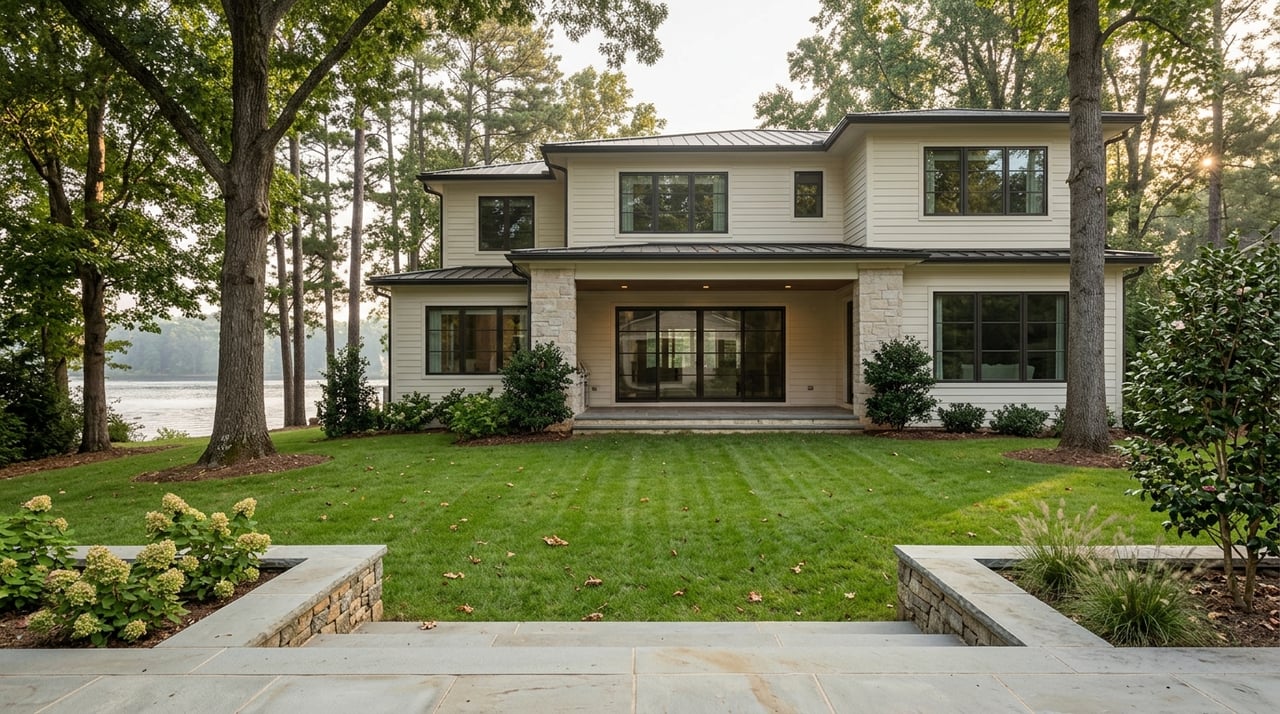
How Lake Lanier Views Shape a Home's Value
June 11, 2026
June 11, 2026
Wondering why two Lake Lanier homes with "lake views" can sell at very different prices? That question comes up often, especially when you are buying or selling in a market where the water itself is a major part of the appeal. The truth is that not all views are equal, and the details behind a view can shape both buyer interest and final value. Let’s look at what really influences Lake Lanier view premiums and how you can use that insight to make smarter real estate decisions.
Lake Lanier is not a small, uniform body of water. It covers about 39,000 acres, has roughly 692 miles of shoreline, and touches seven counties according to the Lake Lanier Association. The U.S. Army Corps of Engineers also describes a shoreline with steep, wooded terrain, plus many arms, bays, and coves, which means the view from one property can look very different from the view from another.
That variety is part of what makes pricing lake homes more nuanced. A property with a broad, open-water view may compete in a different lane than a home tucked into a narrow cove with more tree coverage. Buyers are often comparing not just whether a home sees the water, but how it sees the water.
Appraisal research tied to waterfront properties shows that view quality is not just emotional. It can show up in pricing in a measurable way. In Lake Lanier-specific appraisal research, a 1% marginal increase in water-view area was associated with a 3.85% increase in prices for waterfront properties.
That does not mean every small view improvement creates the same jump in value for every home. It does mean the visible amount of water matters, and buyers tend to pay more for stronger views. The same appraisal review also notes a hierarchy, where higher-quality water views command stronger premiums than weaker ones.
One of the biggest factors is elevation. On Lake Lanier, steep lots and higher home placement can create longer sightlines across bays and channels. Because the shoreline is often steep, a home that sits higher on the lot may capture a more dramatic view than a lower-positioned home next door.
For buyers, that can mean a more expansive visual experience from the rooms you use most. For sellers, it means the way a home is positioned on the lot can be a meaningful part of its marketability. A wide, elevated view often feels more special the moment a buyer steps inside.
Orientation can also influence how a view is perceived. Broader residential valuation research found that house orientation is significant and that builders consider siting for natural light and scenic views. On Lake Lanier, that suggests homes facing open water or capturing sunrise or sunset from main living spaces may be perceived as more valuable than homes with more angled or limited lake exposure.
This matters because buyers do not experience a view on paper. They experience it from the kitchen, great room, primary bedroom, porch, or deck. When the view is front and center from those spaces, it tends to leave a stronger impression.
Not every buyer wants the same kind of water setting. The Corps describes the middle part of Lake Lanier as having elongated channels and narrow coves, while the lower lake includes larger expanses of water. Research on water views more broadly suggests that broader and less obstructed views usually earn larger premiums than narrow or partial views.
In practical terms, an open main-channel or wide-bay view is often easier to market because it looks expansive and immediately recognizable. A tighter cove view may not bring the same premium for pure sightline value, but it can still appeal to buyers who want a calmer, more protected setting and more privacy. Value often depends on which trade-off the buyer cares about most.
Tree coverage is part of Lake Lanier’s identity. The Corps notes that homes around the lake are often interspersed with abundant tree cover, and mature hardwoods and pines shape much of the area’s natural character. Trees can make a property feel private, peaceful, and visually established.
At the same time, trees can block water views. That creates a balancing act. Independent USDA Forest Service research found that tree cover affects home values and that the effect can be stronger where overall tree cover is denser.
For a Lake Lanier property, the question is not whether trees are good or bad. It is whether the existing tree coverage supports the lifestyle and visual experience a buyer wants. Some buyers will pay more for a natural, wooded setting with glimpses of water, while others will prioritize a wider visible lake view from inside the home.
A beautiful view matters, but it is not the whole pricing picture. Research on waterfront markets shows that access can matter as much as aesthetics. One spatial hedonic study found that the ability to build and use a dock carried an almost 45% premium compared with properties that could not support a dock.
That is especially important around Lake Lanier, where lake use is a big part of ownership for many buyers. A property may have a stunning view, but if another home offers solid dock utility and easier water access, buyers may weigh those benefits just as heavily. In some cases, access and usability can outshine pure scenery.
Lake Lanier is managed around a full summer pool of 1,071 feet, with flood storage up to 1,085 feet, according to the Corps and Lake Lanier Association. Because lake levels change, shoreline exposure, dock usability, and even sightlines can change too. A view that feels one way in one season may read differently in another.
This is one reason local market knowledge matters so much. Buyers benefit from understanding how a property functions beyond the listing photos. Sellers benefit from pricing and positioning the home based on how its view, access, and setting compare to similar nearby properties.
Another important point is that lake-view premiums are not fixed. A 25-year study of water views found that premiums tend to rise during housing upturns and fall during downturns. In other words, the market’s willingness to pay extra for a view can shift over time.
That helps explain why two sellers cannot simply apply the same premium from a past sale and expect the same result today. It also shows why buyers should think about present-day utility and enjoyment, not just resale assumptions. The market responds to current demand, inventory, and buyer priorities.
If you are buying around Lake Lanier, it helps to get specific about what kind of lake setting actually fits your goals. A "view" can mean many different things, and each one can carry a different value.
Here are a few smart questions to ask as you compare homes:
When you answer those questions, you move beyond the simple label of "lake view" and start evaluating the property the way the market does.
If you are selling, one of the biggest mistakes is treating all Lake Lanier views as interchangeable. Buyers notice the difference between a panoramic water backdrop and a partial seasonal peek. They also notice which rooms capture the view and whether the sightline feels immediate and usable.
The strongest pricing strategy usually comes from comparing homes in the same part of Lake Lanier with similar water exposure, elevation, dock status, and tree coverage. Appraisal literature points out that view quality is multidimensional, which means a simple yes-or-no lake-view label can miss meaningful differences.
Presentation matters too. The most effective property story matches what buyers will actually see when they walk in. If the view shines from the great room, covered porch, or primary suite, those spaces should lead the visual narrative.
That is where thoughtful staging, professional photography, and strong positioning can help buyers understand the value quickly. On a property where the view is a major selling point, how that view is framed can influence both attention and perceived worth.
Lakefront value is rarely about one feature alone. On Lake Lanier, the premium tied to a view may depend on elevation, orientation, tree cover, view width, water access, and changing lake conditions. That mix is exactly why local, property-specific analysis matters more than broad averages.
If you are buying, you want to know whether you are paying for a panoramic open-water experience, a quiet cove setting, better privacy, stronger dock convenience, or some combination of those factors. If you are selling, you want your price and marketing plan to reflect what makes your property distinct in its part of the lake.
When you are ready to understand how your Lake Lanier view may influence market value, Michelle Sparks can help you evaluate the details, position your home effectively, or find the right waterfront fit with confidence.
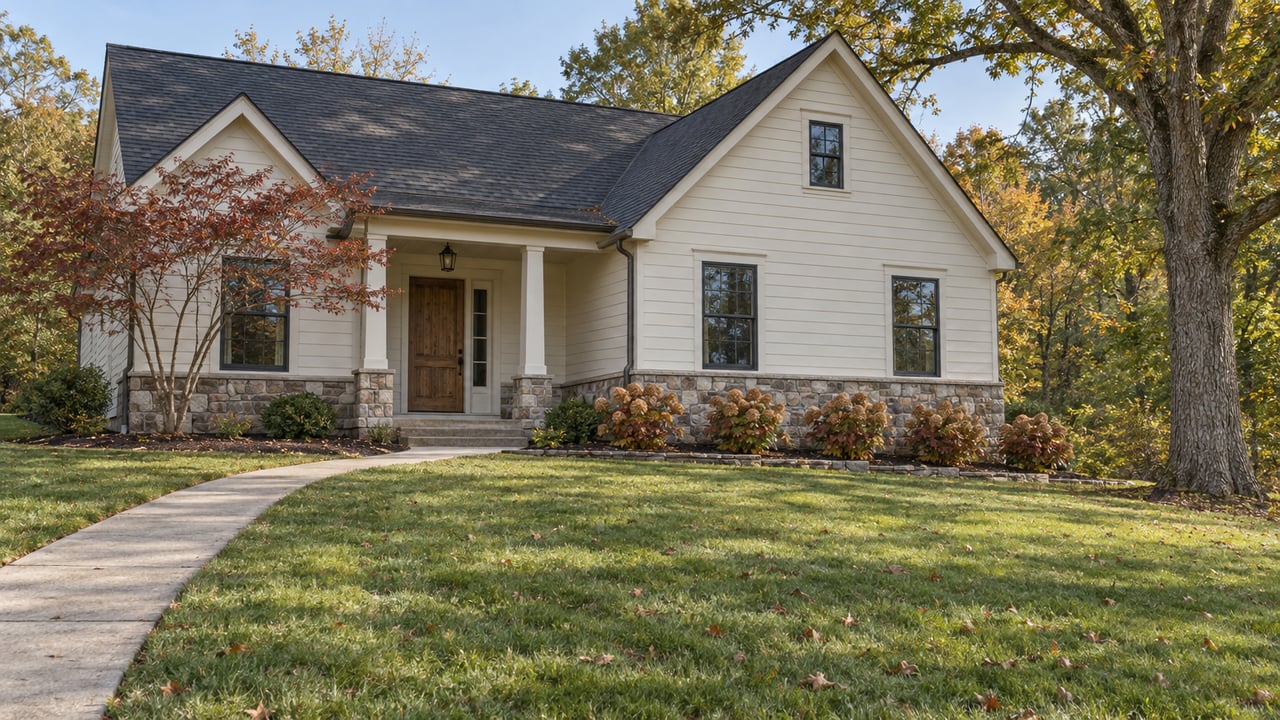
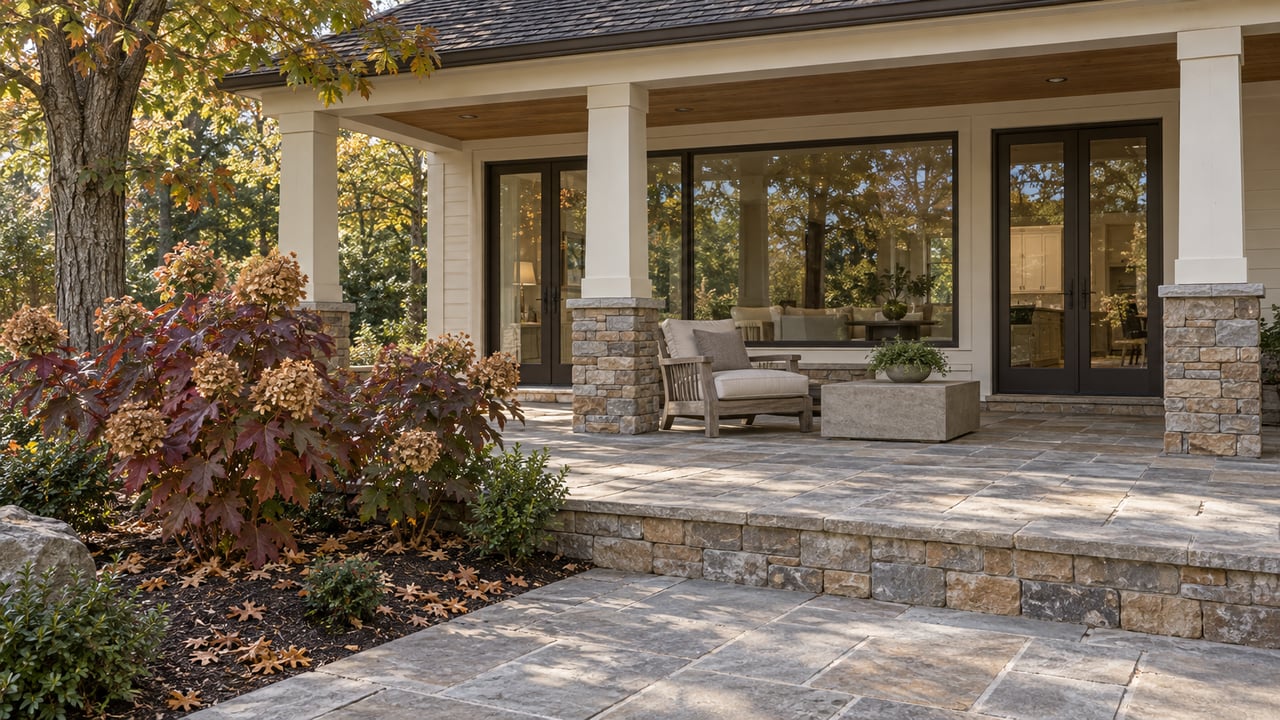


With extensive knowledge of the Lake Lanier real estate market, Michelle helps her clients find their dream lakefront home or successfully sell their property for top dollar.

MICHELLE SPARKS
434 Green St Gainesville GA 30501