Thinking about how to store your boat without a boathouse? You are not alone. Many Lake Lanier buyers and homeowners ask if they can build a new boathouse, then discover the rules are different than expected. The good news is you have several smart, permitted ways to protect your boat and keep it show‑ready year‑round.
In this guide, you will get a quick overview of the policy on boathouses, plus practical storage options on your property and at nearby marinas. You will also get checklists for security, maintenance, and lease terms so you can choose what fits your lifestyle and budget. Let’s dive in.
Quick note on “Lanier” locations
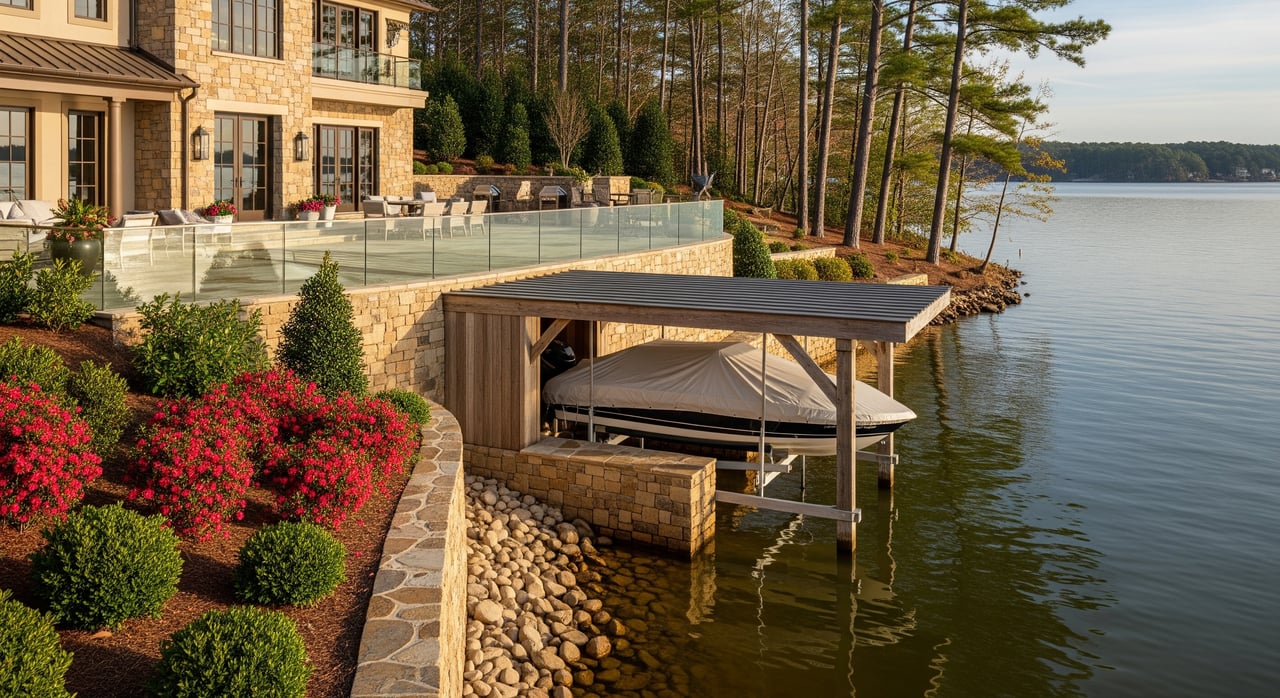
“Lanier” can mean two different places in Georgia. If you own property on Lake Lanier in North Georgia, shoreline structures are under U.S. Army Corps of Engineers oversight. On Lake Lanier, the Corps generally does not authorize new land‑based boathouses. Many older boathouses that were lawfully built are often considered grandfathered, but you must verify the status and any repair or replacement rules with the Corps and your local county or city.
If your home is in the City of Lakeland or elsewhere in Lanier County in South Georgia, your property is not on Lake Lanier. In that case, storage options and any accessory structures are typically handled by local planning and building departments. Always confirm setback, permit, and accessory building rules for your exact address.
On‑property storage ideas
On‑property solutions can give you the most control, convenience, and protection. Here are proven options that do not rely on a boathouse.
In‑garage storage
Storing your boat inside a garage or accessory building offers the best protection from weather and helps with security.
- Pros: Maximum protection and privacy, year‑round access, no lakeside structure permit required.
- Cons: Requires a large enough bay and driveway, plus trailer maneuvering room. You may need local permits for any new accessory building.
- Tips: Add a durable cover, a dehumidifier, and safe ventilation. Plan outlets for trickle chargers and tools so you can keep the boat show‑ready.
Garage lifts and ceiling hoists
Mechanical lifts and hoists raise your boat into overhead space or onto vertical racks inside the garage.
- Pros: Frees floor space, protects the finish, reduces trailer footprint.
- Cons: Upfront cost and professional installation are recommended. Verify structural capacity and mounting points.
- Tips: Confirm weight limits, clearances, and insurance implications before purchase.
Covered parking or enclosed boat garage
Carport‑style covers or small dedicated boat buildings can be a cost‑effective middle ground.
- Pros: Lower cost than a full garage and solid protection from sun and rain.
- Cons: May require local permits and setbacks. Not as secure as a fully enclosed space.
- Tips: Choose corrosion‑resistant hardware and a roof material suited to local wind and storm patterns.
Trailer with cover or shelter
Keeping the boat on a trailer under a heavy‑duty cover, in a carport, or inside a fabric shelter is flexible and budget‑friendly.
- Pros: Easy to relocate, suitable for many properties, simple to scale up or down.
- Cons: Less secure and convenient than indoor storage. Covers must be properly ventilated and secured.
- Tips: Use breathable, marine‑grade covers and add wheel chocks, hitch locks, and motion lighting.
Off‑property storage solutions
If you prefer direct water access or professional handling, consider these options.
Marina slips
Leasing a slip can be uncovered or covered, and some marinas also offer dry‑stack service.
- Pros: Walk‑to‑boat convenience, on‑site fuel and services, added security, and the option for detailing or wash programs.
- Cons: Monthly or annual fees, possible waiting lists, insurance requirements, and travel time from home.
- Key questions: Slip size, covered vs uncovered, electrical access, guest policies, winterization, and contract terms.
Dry‑stack storage
Marina staff store your boat on racks and launch it for you on request.
- Pros: Space‑efficient, sheltered, fast launches, and reduced in‑water wear.
- Cons: Size limits and per‑launch or scheduling constraints.
- Best for: Smaller powerboats and jet boats where quick, on‑demand access matters.
Wet storage with haul‑out
Your boat stays in the water but is hauled to the yard for long breaks or winter.
- Pros: Great for maintenance access and reducing hull growth during off‑season.
- Cons: Haul and launch fees, plus scheduling logistics.
Commercial boat storage facilities
Secured outdoor or indoor self‑storage facilities that accept boats on trailers.
- Pros: Often more affordable than marina slips and may offer 24/7 access.
- Cons: No direct water access and extra transport steps to launch.
Keep it secure and show‑ready
Protecting your investment is as important as finding space. Use these best practices across all storage types.
- Security: Choose locations with gated access, cameras, and on‑site staff when possible. Add trailer locks, wheel chocks, hitch locks, and motion‑activated lighting at home.
- Maintenance: Create a routine wash and wax schedule, keep batteries on a smart charger, ventilate covers, and inspect the hull after storage. Use breathable covers to prevent mildew.
- Insurance: Confirm that your policy covers the boat at its storage location, whether on your property, at a marina, or in a commercial facility. Some leases require minimum liability limits.
- Transportation: Inspect your trailer tires, brakes, and lights. Match tow‑vehicle specs to boat weight and check local ordinances on parking a trailered boat.
How to evaluate marina options
Choosing the right marina is part convenience and part contract. Do your homework before you sign.
Find and confirm services
Call marinas and ask about slip sizes, covered versus uncovered, dry‑stack capacity, launch schedules, on‑site maintenance, fuel, pump‑outs, security, and wait lists. Request current pricing and any seasonal promos.
Selection checklist
- Fit: Length, beam, and height compatibility with slip or rack.
- Protection: Covered slips reduce UV and falling‑debris damage. Dry‑stack or enclosed storage offers the strongest protection.
- Access: Distance from home, hours of operation, guest and reservation policies.
- Security: Staffing, gates, lighting, and camera coverage.
- Contract terms: Month‑to‑month vs annual, cancellation policies, and whether the agreement is tied to the owner or the boat.
- Extra costs: Electricity, water, pump‑outs, launch fees, or HOA assessments if the marina is within a community.
- Insurance: Required limits and any indemnity clauses. Ask for a sample lease.
Negotiate your lease
Ask about multi‑year discounts, off‑season pricing, and whether the marina places liens for unpaid fees. Get every fee and service in writing, and confirm any wait‑list deposit rules.
Step‑by‑step plan for homeowners
Use this simple process to decide fast and confidently.
- Confirm your location and authority. Identify whether your property is on Lake Lanier or in Lanier County and which agency or office governs your permits.
- Verify status of any existing structure. If a boathouse exists, ask for its permit history and whether it is considered grandfathered. Clarify repair or replacement limits.
- Price on‑property options. Get quotes for garage lifts, carports, and accessory buildings. Check local building codes, setbacks, and required inspections.
- Call 2 to 3 marinas. Compare slip types, availability, security, and total costs, including electricity and launch fees.
- Confirm insurance. Make sure your policy and any lease meet coverage requirements for the storage location.
- Document agreements. Keep permits, receipts, and leases in a file that will transfer easily if you sell.
Example scenarios
A few real‑world setups to spark ideas.
- Weekend boater who wants speed to water: Choose a covered marina slip or dry‑stack near your preferred launch. Add a detailing package so the boat stays show‑ready.
- Full‑time lake homeowner with garage space: Install a ceiling hoist and set up a maintenance corner with a charger, tool bench, and wash supplies.
- Seasonal user with limited yard space: Contract for dry‑stack storage and schedule haul‑outs before and after your primary boating season.
Resale and market value
Smart storage adds daily convenience and supports long‑term care of your boat, which can influence buyer confidence when you decide to sell. A clean, well‑stored boat and a tidy, permitted storage solution signal that you maintain the property. If you lease a marina slip, ask the marina whether the lease is transferable or if buyers can join the wait list with priority. Keep all permits and service records organized to share with your agent and prospective buyers.
Bottom line
New land‑based boathouses are generally not authorized on Lake Lanier, and older ones may be grandfathered depending on permit history and condition. The most reliable approach is to verify your property’s status with the appropriate authority, then choose an on‑property or marina solution that fits your routine and budget. With the right setup, your boat stays protected, easy to access, and ready to impress.
If you are planning a move or prepping a Lake Lanier home for sale, let’s map a storage plan that complements your timeline and marketing strategy. Reach out to Unknown Company to get personalized guidance and Get an Instant Home Valuation.
FAQs
Are new land‑based boathouses allowed on Lake Lanier?
- On Lake Lanier, the U.S. Army Corps of Engineers generally does not authorize new land‑based boathouses; owners should confirm specific property status with the Corps.
What does “grandfathered boathouse” mean for my home?
- A grandfathered structure is an older, lawfully built boathouse that may continue in use under existing permits; repair or replacement limits vary and must be confirmed with the permitting authority.
I live in Lakeland in Lanier County. Do the same rules apply?
- Lakeland and Lanier County are not on Lake Lanier; check local planning and building offices for accessory structure permits and setbacks for on‑property storage.
Can a marina slip lease transfer when I sell my home?
- Policies vary by marina; some leases are tied to the owner, some to the boat, and a few allow transfers or priority for buyers, so ask for the lease terms in writing.
Which is better for protection, covered slip or dry‑stack?
- Covered slips reduce sun and debris exposure, while dry‑stack or enclosed rack storage offers stronger protection and eliminates prolonged in‑water hull exposure.
What should I budget beyond the slip fee?
- Expect potential charges for electricity, water, launch or haul fees, maintenance services, and insurance requirements listed in the lease.