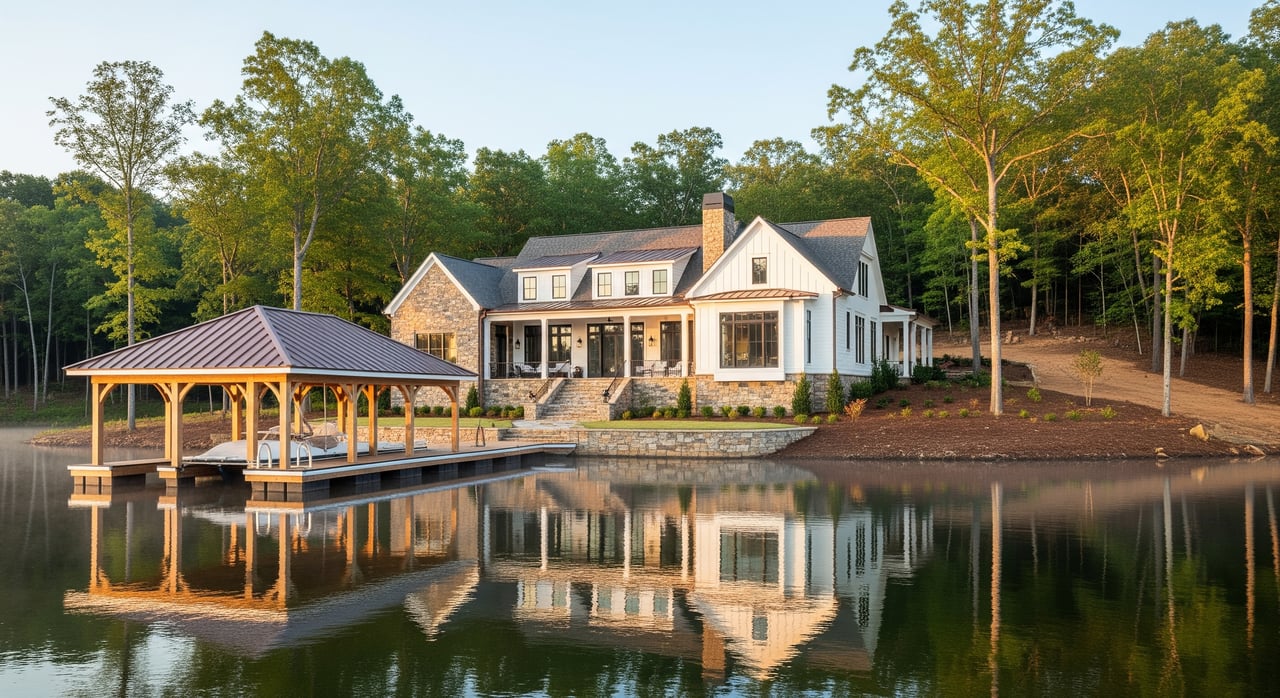
Build vs. Buy on North Lake Lanier
January 1, 2026
January 1, 2026
Is North Lake Lanier calling your name, but you are torn between buying a lake home now or building your own? It is a big decision, and the Dawsonville shoreline adds a few extra layers to think through. You want lake access, the right dock, and a smart long-term move for your lifestyle and investment.
In this guide, you will see the real tradeoffs of building vs. buying on North Lake Lanier around Dawsonville. You will compare costs, timelines, dock and shoreline rules, and resale factors so you can choose with confidence. Let’s dive in.
Buying an existing lake home gives you immediate lake access, a shorter closing timeline, and established landscaping and dock amenities. You trade some design control for the ability to start enjoying the water sooner.
Building new offers full design control and the chance to include modern systems and energy-efficient materials. You also take on a longer timeline and more coordination, especially with shoreline and septic approvals.
Use this simple filter as a starting point:
Every property on Lake Lanier is unique, and site conditions can swing costs more than finishes. Plan your budget in layers.
Lot prices vary widely by water frontage, usable shoreline, water depth, proximity to marinas and Dawsonville, and whether utilities are nearby. Lots with private docks and deep water usually carry premiums. Verify current comps through local records and recent sales.
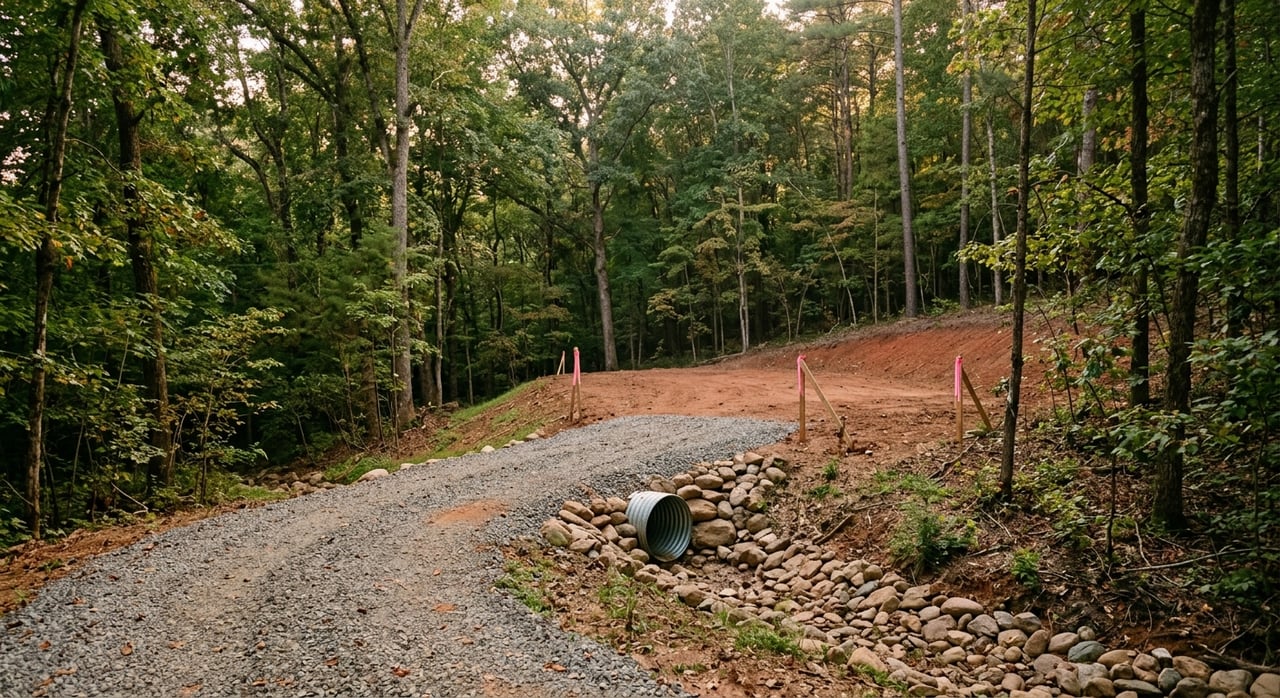
Steep or rocky lots can need extensive grading, erosion control, or retaining walls. Many lake lots rely on well and septic, which adds permitting and installation costs. Utility extensions for power and internet also affect budgets, especially on more secluded roads.
Industry sources show broad ranges for lake homes based on finish level and site complexity. A conservative range to plan for is about 150 to 400+ dollars per square foot. The higher end applies to luxury finishes, complex foundations, and difficult access for equipment.
Include architectural and engineering, surveys and soil tests, permits, and utility hook-ups. Add construction loan interest, insurance during the build, and property taxes. Keep a 10–20% contingency for overruns and change orders.
Dock budgets depend on whether you choose a fixed or floating dock, covered slips, lifts, deck materials, utilities, and anchoring for your water depth. A simple floating dock can be in the low five-figure range, while covered boathouses with lifts and upgraded decking can reach the mid five-figure range or higher. Plan for ongoing maintenance and eventual replacement.
If you buy an older home with a solid structure, a targeted renovation can deliver the best value. The risk is hidden site costs like foundation work, shoreline stabilization, or septic replacement. In some cases, a full remodel can approach new-build costs, so a detailed inspection is key.
Most purchases close in about 30–60 days, depending on financing, inspections, and title. Build in time for home and septic inspections, dock and shoreline condition checks, and easement reviews. Light cosmetic updates may take a few weeks, while major remodels can take several months.
A straightforward build often runs 9–18 months. Custom homes on challenging sites or with delayed approvals can reach 12–24+ months. Weather, material lead times, and contractor availability also matter.
Lake Lanier is a federal reservoir, and the U.S. Army Corps of Engineers manages shoreline structures and land use adjacent to federal property. Georgia state agencies and Dawson County also play roles, especially for utilities, well and septic, and building permits. FEMA flood maps determine floodplain status and may affect design and insurance.
Key dock considerations that affect value and use:
Before you commit, confirm any recorded easements, riparian rights, and current shoreline status. Some waterfront parcels have size or location limits on docks. Unpermitted docks or structures by a prior owner can become your problem, so document permits early.
On Lake Lanier, the waterfront usually drives resale more than interior square footage. Buyers focus on usable shoreline, permitted dock or boathouse features, consistent water depth, and ease of access to marinas, ramps, and Dawsonville conveniences. Home systems matter too. Modern HVAC, insulation, and a properly functioning septic or well are common decision points.
For investors and second-home owners, rental demand is seasonal and tied to lake access. Short-term rentals may be limited by county rules or HOA covenants, so check these early along with any occupancy tax requirements. Factor in insurance, property management, repairs, and seasonal vacancy when you model returns.
Choose buying if you value:
Choose building if you value:
If you are on the fence, shop both tracks at once. Compare a few existing homes against one or two viable lots. Use the due diligence checklist below to price each option with a similar level of detail.
Use this list to reduce surprises and create an apples-to-apples comparison for buy vs. build.
To compare options, build two parallel budgets.
For buying an existing home, include:
For building new, include:
Run both scenarios with a timeline and a simple cash flow view. If rental income is part of your plan, layer in occupancy assumptions only after you confirm any short-term rental limits.
Lake Lanier decisions often hinge on site conditions and shoreline approvals, not just finishes. If you compare the right details up front, both buying and building can be great choices in Dawsonville. The key is clarity on your timeline, your dock needs, and your budget.
If you want a trusted local partner to walk your lots, vet shoreline details, and build a precise plan for either path, reach out to Michelle Sparks. With a high-touch, construction-informed approach, you get clear guidance and the right introductions to reputable builders and dock contractors.
With extensive knowledge of the Lake Lanier real estate market, Michelle helps her clients find their dream lakefront home or successfully sell their property for top dollar.
MICHELLE SPARKS
434 Green St Gainesville GA 30501