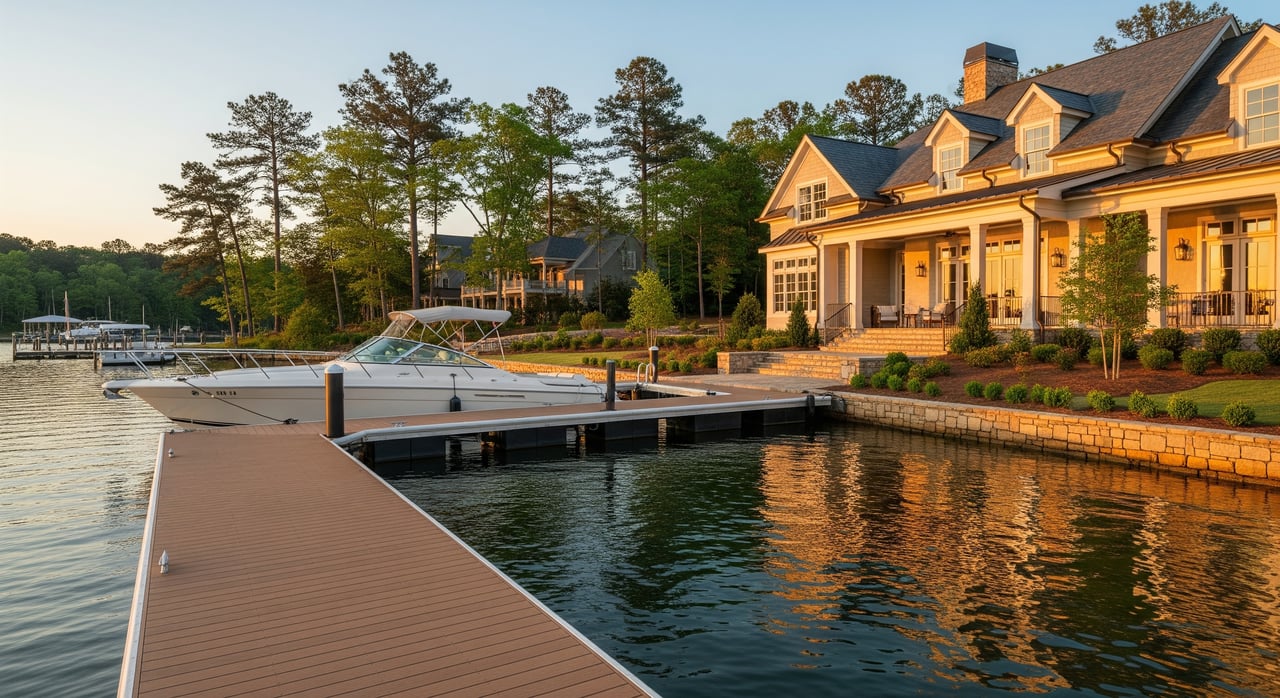
Gainesville Marina Access Neighborhoods on Lake Lanier
January 15, 2026
January 15, 2026
Want to be on Lake Lanier in minutes without paying for a waterfront lot? If you boat, you know that a short, reliable route to a marina or public ramp can make or break your day. You want easy trailering, predictable parking, and less time on busy roads. In this guide, you’ll learn how to measure “quick marina access,” which Gainesville and Hall County areas tend to deliver it, and what to verify before you buy or sell. Let’s dive in.
“Quick” is not just a few miles on a map. It’s your true door-to-launch time at the days and hours you actually boat. Focus on weekend mornings and evenings when traffic patterns differ from weekday rush hours. A slightly longer route with fewer lights or bottlenecks can beat a shorter but congested path.
You should also evaluate how easy it is to tow and park your trailer. Wide driveways, gentle turns, and a bit of street width can make maneuvering much simpler. Some neighborhoods have sidewalks and curbs that tighten the space; others have longer driveways that help.
Slip and storage availability matters, too. Full-service marinas often offer wet slips, dry storage, fuel, repairs, and on-site services. Public ramps are usually free or low cost, but parking is limited and can be congested in peak season. Neighborhood or HOA ramps may exist, but access is typically limited to residents and guests.
Finally, confirm any rules that could affect your routine. Lake operations, wake and speed zones, and seasonal conditions can impact ramp usability. If lake levels change or a ramp is undergoing maintenance, your plan might need a backup option.
You have several ways to get on the water around Gainesville and Hall County. Each offers a different mix of convenience, cost, and services. Knowing the tradeoffs helps you match your neighborhood choice to your boating style.
Below are neighborhood categories and corridors in Gainesville and Hall County that are popular with boaters who want short, reliable drives to Lake Lanier launch points. Use these profiles to narrow your search, then verify actual times and rules before you make a move.
If you value short errands and an easy jump to several nearby ramps and marinas, close-in Gainesville can be a smart pick. Older bungalows, mid-century ranches, and newer infill options offer a mix of driveways and lot sizes, so you can prioritize trailering ease. The street grid can help you reach major lake corridors efficiently without a long highway segment.
You’ll enjoy walkable dining and events, which makes pre- or post-boating plans simple. Many buyers here prefer the convenience of a central location, especially if they boat midweek after work. Verify HOA rules if you are in a townhome or condo community, since trailer restrictions are common.
These areas sit closer to quiet coves and near-shore amenities. Housing ranges from near-lake cottages to newer subdivisions with larger lots. Some communities in this zone may have established dock infrastructure or neighborhood access points.
If you like paddling, fishing, or calmer water, the north and east shore areas can be appealing. You may also find homes with longer driveways that make trailering easier. Always confirm any private launch or dock access rules through the HOA, and check floodplain maps if a property sits on a low-lying lot.
West and southwest of Gainesville, this corridor gives you fast routes to a number of popular marinas and ramps that serve the south and mid-lake arms. You’ll see newer master-planned developments, townhomes, and single-family neighborhoods with modern garage and driveway setups that can help with trailer storage.
Retail growth along this corridor means quick access to supplies, snacks, and fuel for the boat and the crew. If you often boat on busy weekends, pay attention to traffic pinch points along major corridors and plan your launch times accordingly. In HOA communities, clarify whether trailers must be screened or stored off-site.
These close-in suburban pockets are practical for boaters who want a short drive to Gainesville amenities and nearby ramps or marinas. The housing mix includes modest single-family homes and small subdivisions, with some multi-family options.
Lower price points than waterfront homes can make this area a value play for frequent boaters. Look for driveways with good turn radii and consider whether the street layout allows easy backing. If a property is on septic, factor in maintenance and replacement planning.
If you like the energy of resort-adjacent areas and want minimal time to full-service marinas, this corridor is worth a look. You’ll find condos and vacation-style homes alongside traditional single-family properties. Seasonal activity is higher in this area, which many boaters enjoy for the social scene.
Proximity to large marina clusters can provide access to fuel, repairs, restaurants, and boating clubs. If you favor a slip over trailering, this area can be a strong fit. Confirm slip availability, fees, and waitlists early in your search.
Some newer subdivisions were designed with lake access in mind. They may not have their own launch, but they sit very close to public ramps and sometimes offer community storage or specific guidance for trailer parking.
Home designs in these communities often include wider driveways and modern garage dimensions. HOA rules vary, so review them carefully. If on-street parking is limited, plan for how and where you will stage your boat for loading and cleaning after a day on the water.
Many buyers do not need a private dock as long as they can store the boat and trailer at home. Focus on properties with long, level driveways, side-yard parking pads, and garage depth that fits your boat length and tow vehicle. No-HOA or lightly restricted neighborhoods can be ideal, though you will still want to confirm any local ordinances.
Even if a community is flexible, consider how tight corners, steep slopes, or narrow lots might complicate backing and maneuvering. A quick neighborhood drive with your tow rig before you write an offer can be eye-opening.
Before you commit to a neighborhood or property, set aside time for a practical access check. You will make better decisions and avoid surprises on your first Saturday at the ramp.
If your priority is frequent, flexible water time, choose a home that reliably gets you to a marina or ramp within your personal time limit. Boaters who prefer slip convenience should lean toward areas near full-service marinas and be proactive about waitlists. If you enjoy trailering, prioritize driveway design and neighborhood rules.
Weekend family boaters often value short door-to-launch times plus easy access to grocery stores, dining, and parks. Commuters who boat on weekdays may prefer central Gainesville or corridor locations with predictable evening traffic. Downsizers and second-home buyers often gravitate to low-maintenance condos or townhomes close to marina clusters.
If you are selling a non-waterfront home, highlight the features boaters care about. Call out nearby marinas and public ramps, the most efficient driving route, and realistic door-to-dock timing. Showcase driveway length and turn space in photos, and note any storage solutions or HOA allowances.
Professional presentation matters. Staging, great photography, and clear lifestyle messaging help buyers picture their weekends on the water. A concise, well-documented “boater’s fact sheet” can set your listing apart.
Buying near Lake Lanier is easier when you have a local guide who understands both the lake and the lifestyle. With deep, region-specific expertise and a concierge approach, Michelle Sparks helps you verify the details that matter: access routes, HOA trailer rules, storage options, and day-of-boating convenience. From staging and professional photography to contractor coordination and post-closing support, you get a streamlined process backed by a trusted local network.
If you want to be on the water more and in traffic less, let’s map a plan that fits your routine and budget. Reach out to Michelle Sparks to start your Gainesville-area lake search today.



With extensive knowledge of the Lake Lanier real estate market, Michelle helps her clients find their dream lakefront home or successfully sell their property for top dollar.
MICHELLE SPARKS
434 Green St Gainesville GA 30501